

Investment committee memos have a stable anatomy. Thesis, market, competition, financials, management, value creation plan, risks, exit. The risk section has grown over the years by accretion. Cyclica...

A target arrives on the desk describing itself as AI-native. Revenue is growing at ninety percent. Gross margin is sixty-two percent, which is lower than software but higher than services. The founder...
The data room used to be a reading problem. Four thousand documents, six weeks, three junior analysts, and a partner who wanted the summary on Friday. Whatever got missed got missed, and the reps and ...
Every mid-market fund now runs some version of the same pitch internally. We will use AI to widen the funnel. We will screen more companies, faster, on more signals, and we will find the ones our comp...
Key-person risk is the danger that a company's value depends on one individual, and Elon Musk is the largest example the modern market has ever produced. SpaceX told regulators in writing this year: "...
Pilots train in simulators before they carry passengers. Surgeons practise before they operate. Traders run paper books before they run real ones.
Private equity has no equivalent. People learn to al...
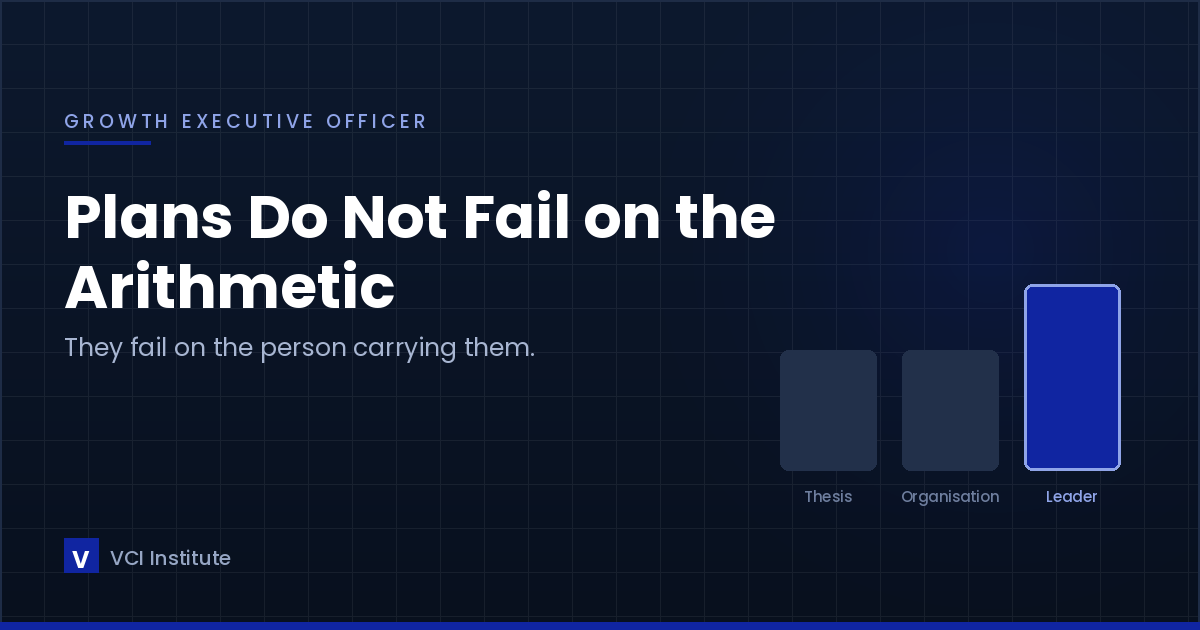
When a value creation plan fails, the post mortem almost always lands on the plan. The assumptions were optimistic. The market moved. The diligence missed something. The timing was unfortunate.
Occas...

The energy transition story in private equity has been dominated by a category that captures the imagination but represents a small fraction of where the actual capital needs to flow. Climate tech, de...
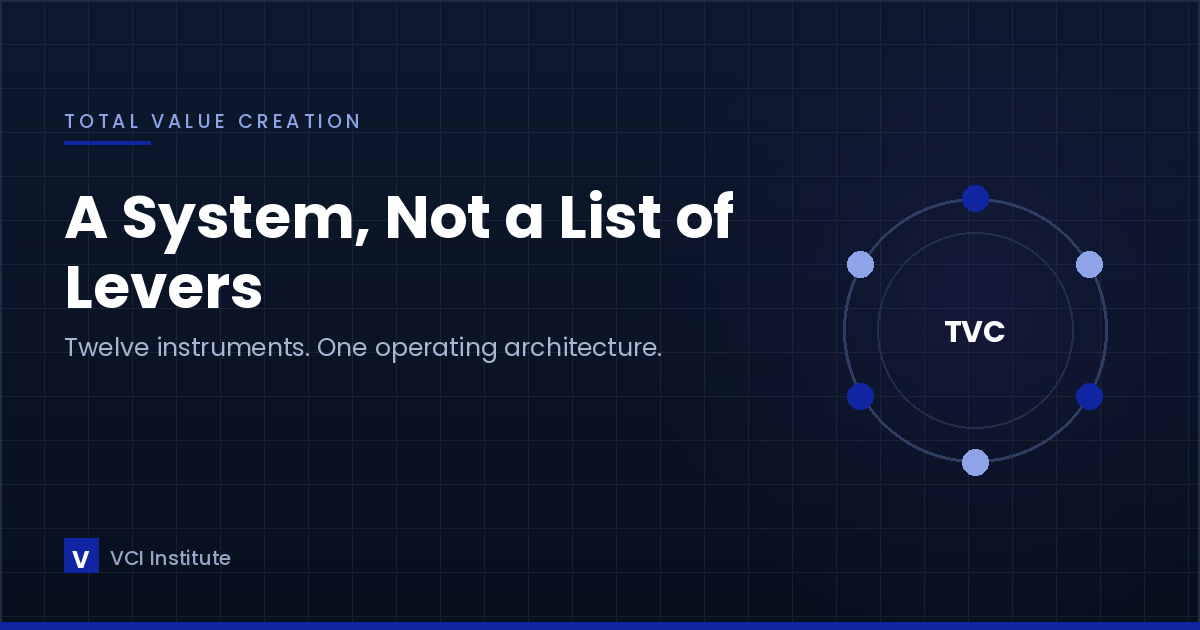
Most value creation frameworks are lists. Five levers, seven pillars, ten plays. They are satisfying to read, easy to present, and they fail in the same way every time.
They tell you what you could d...

For most of the past decade, defense and defense-adjacent technology sat in the exclusion column of mainstream private equity. The reasoning was familiar. ESG screens flagged the category. LPs preferr...

Most private equity firms have a talent network. They maintain relationships with executives across industries, function specialists who can be deployed for specific projects, advisors who can be brou...
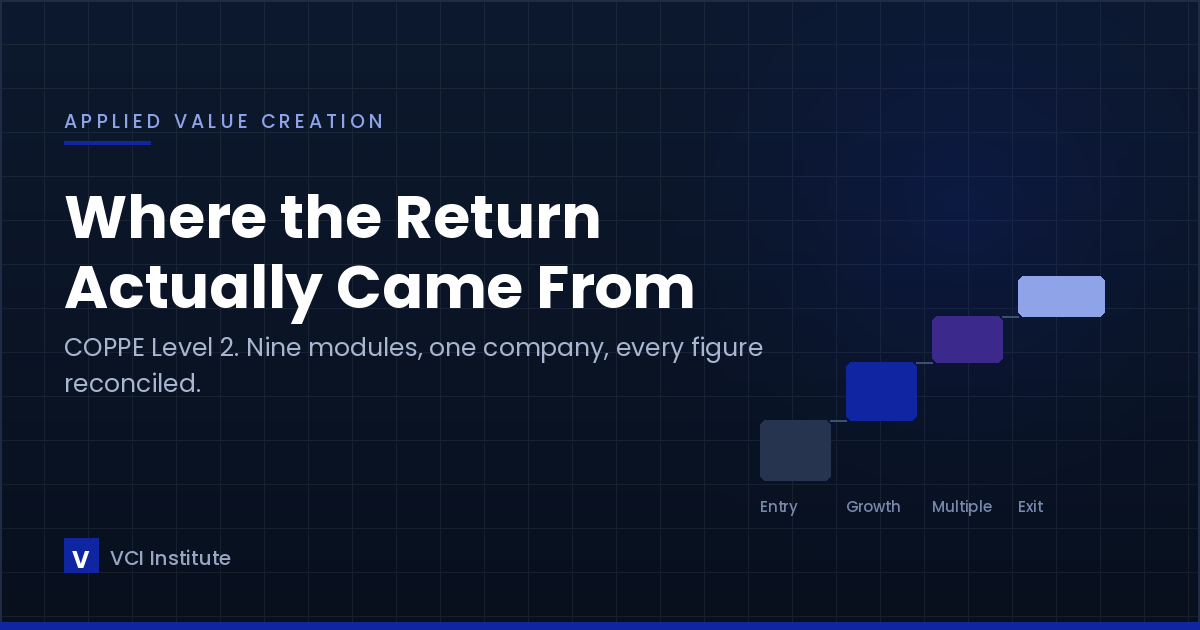
Here is a test you can run on any value creation deck in about ninety seconds. Find the page that explains where the return came from. Add up the components. Compare the total to the equity proceeds a...

Most private equity portfolio company boards are performance theatre. The format is familiar. A monthly or quarterly meeting. A management presentation that tracks against the value creation plan. A d...

The most important relationship in any private equity portfolio company is between the operating partner and the CEO. It is more important than the relationship between the deal partner and the CEO, m...

The first major talent decision in most private equity deals is what to do about the CFO. The decision is not always conscious. It is sometimes triggered by a clear signal from the management team tha...